

How to Get the Family Involved in Home Upgrades for Successful Teamwork and Results

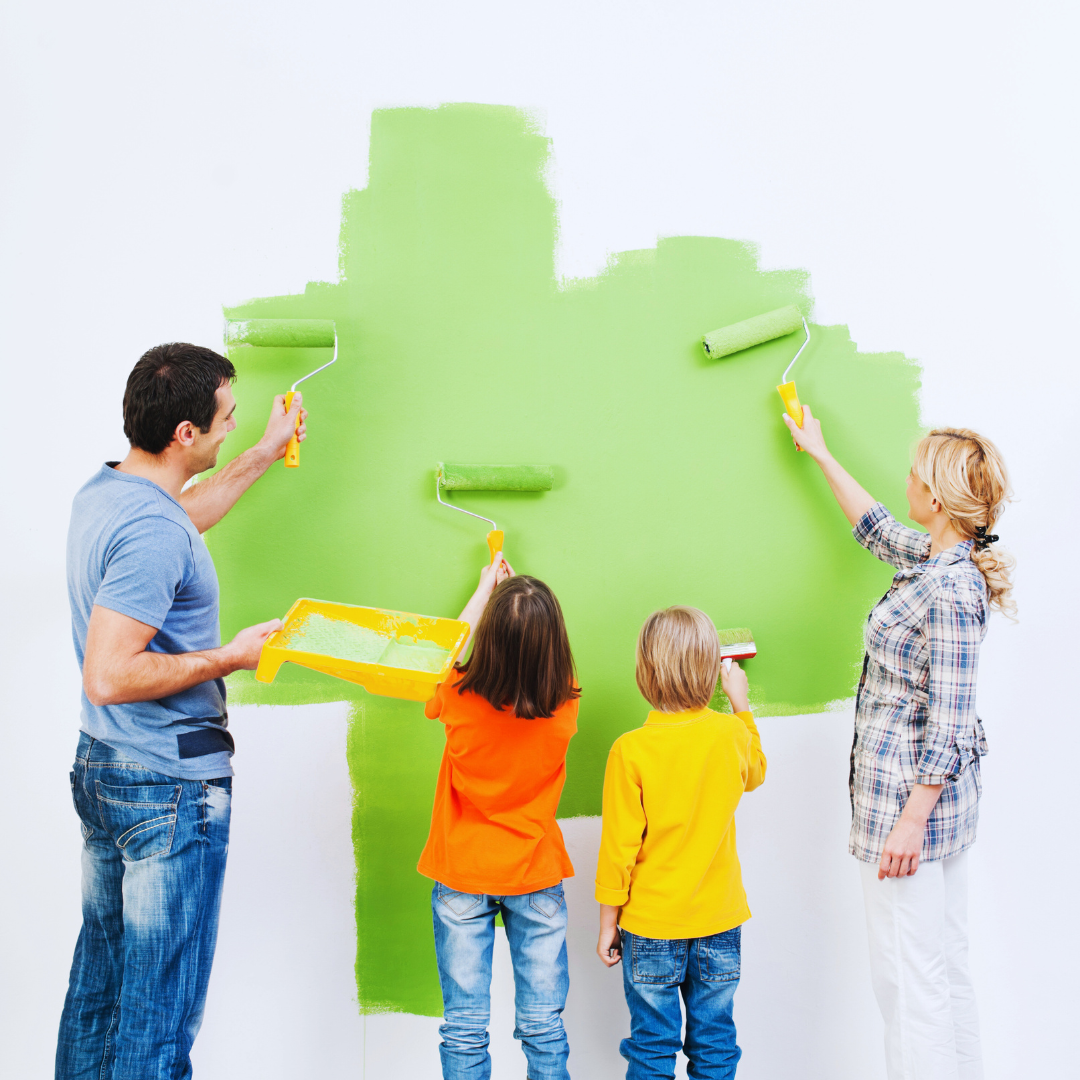
Getting the whole family involved in home upgrades can turn a chore into a shared project that benefits everyone. The key is to assign clear roles that match each person’s interests and abilities, making the process smoother and more enjoyable. This approach ensures everyone feels valued and contributes meaningfully.
Encouraging open communication about ideas and preferences helps avoid misunderstandings and keeps motivation high. When each member sees their input making a difference, they become more invested in the final result.
Simple tasks, such as painting, decorating, or organising materials, can be great starting points. By breaking down projects into manageable steps, families can work together efficiently without feeling overwhelmed.
Why Family Involvement Is Essential for Home Upgrades
Including the family in home upgrades encourages shared responsibility, improves communication, and creates a supportive environment. These aspects make the process smoother and help achieve better results.
Strengthening Family Bonds Through Collaboration
When the family works together on home improvement projects, it creates opportunities to spend quality time. Sharing tasks like painting walls or assembling furniture involves everyone and builds a sense of unity.
Collaboration also fosters mutual respect, as members value each other’s input. Completing projects as a team boosts morale and develops a shared pride in the upgraded space. This bond can last beyond the immediate improvements.
Developing Skills and Responsibility Together
Home upgrades offer a practical chance for family members to learn new skills, such as measuring, painting, or basic carpentry. These hands-on experiences promote personal growth and confidence.
Assigning clear roles makes each person accountable. Children and adults alike develop a stronger sense of responsibility when they see how their contributions affect the overall outcome of the project.
Learning together prepares the family for future maintenance or improvements, creating a knowledgeable household.
Enhancing Communication and Teamwork
Effective home improvement requires clear communication to coordinate tasks and avoid mistakes. Family involvement encourages open discussions about preferences, timelines, and challenges.
This process improves listening skills and problem-solving abilities. Teamwork leads to better planning and more efficient use of resources, reducing frustration during home upgrades.
Regular communication fosters a cooperative atmosphere, making complex projects more manageable for everyone involved.
Practical Ways to Engage the Family in Home Improvement
Getting everyone involved in home upgrades requires clear planning and meaningful participation. Assigning tasks that suit each person’s ability, respecting their preferences, and encouraging creativity can make the process productive and enjoyable.
Assigning Age-Appropriate Tasks
Tasks should match family members’ ages and abilities to keep them engaged and safe. Younger children can handle simple tasks such as sorting tools, wiping surfaces, or painting small areas. Teenagers can take on more responsibility, like assembling furniture, measuring spaces, or helping with gardening.
For adults, heavier or more technical jobs, such as electrical work or installing fixtures, are more suitable. This approach builds confidence and ensures everyone contributes effectively without feeling overwhelmed or underutilised.
Incorporating Family Preferences in Project Planning
Involving the family in decision-making improves motivation and satisfaction. Simple steps, such as discussing colour schemes, layout changes, or furniture choices, encourage input from all members. This fosters a sense of ownership over the upgrades.
Creating a list of priorities based on everyone’s preferences helps balance needs and wants. Using tools like mood boards or shared notes can help organise ideas. This collaborative planning reduces conflicts and aligns the project with the household’s lifestyle.
Utilising Creative Group Projects
Group projects can turn home improvement into a bonding experience. Activities like building a garden planter, creating custom wall art, or decorating a room together allow creativity to flourish. These tasks promote teamwork and produce visible, shared results.
Setting clear roles within the group ensures smooth collaboration. Assigning someone to lead, another to gather materials, and others to execute specific steps divides responsibilities. This structure keeps progress steady and makes it easier for all members to participate meaningfully.
Involving the Family in Eco-Friendly Home Upgrades
Engaging the whole family in sustainable home improvements encourages education and shared responsibility. Activities like selecting energy-saving appliances, installing solar panels, and starting a garden can build teamwork while reducing the home’s environmental impact.
Choosing and Installing Energy-Efficient Appliances
Families can begin with research on appliances that consume less energy, such as rated A++ refrigerators or LED lighting. Comparing energy labels helps identify the best cost-to-efficiency ratio.
Involve children by having them track energy use before and after installation. This practical activity turns learning into a measurable experience.
During installation, adults should explain how these appliances contribute to lowering bills and conserving resources. Regular maintenance also prolongs efficiency, which everyone can participate in.
Exploring Solar Panels as a Family Project
Solar panels offer a hands-on upgrade that benefits the entire household. Before installation, families can collaborate on assessing their home’s sun exposure and estimating potential energy savings.
Discussing costs, government incentives, and environmental advantages engages all members in the decision. Once installed, tracking solar energy production together creates ongoing involvement.
Assigning tasks like cleaning panels or monitoring system performance encourages responsibility. This project combines technology education with practical home improvement.
Creating a Family Garden for Sustainability
Starting a garden introduces sustainability through growing food or native plants, reducing waste and carbon footprint. Planning the garden together helps everyone learn about local species and seasonal cycles.
Children can participate in planting, watering, and composting, fostering an understanding of natural processes. The garden also improves outdoor space while supporting biodiversity.
Regularly harvesting and cooking garden produce strengthens family bonds and highlights the value of eco-friendly practices within home upgrades.
Maintaining Engagement and Celebrating Achievements
Keeping everyone motivated during a home upgrade requires clear ways to track progress and meaningful ways to celebrate completed tasks. These methods help sustain involvement and reinforce the value of each family member’s contribution.
Tracking Progress Together
Families should set up a visible progress chart or board in a common area. This could include a checklist or a timeline with specific tasks and deadlines. Using colour coding or stickers can make tracking more engaging, especially for younger children.
Regular check-ins are important. Weekly meetings allow everyone to review what’s been done, discuss challenges, and adjust plans. This keeps communication open and ensures that no one feels left out or overwhelmed.
Digital tools like shared calendars or project management apps can also be useful for those who prefer technology. They offer notifications and allow tracking from any location, keeping the family synchronised.
Celebrating Milestones as a Family
Acknowledging achievements with small rewards or gatherings encourages continued effort. Celebrations can be as simple as a favourite meal or a movie night after completing a major task.
It’s helpful to recognise individual contributions as well as the group’s success. This promotes a sense of pride and ownership. Praise should be specific, highlighting what was done well.
Including everyone in decision-making about celebrations increases enthusiasm. For example, letting a child choose the treat after finishing their task makes the experience more meaningful.