

How to Style a Space on a Tight Budget with Smart, Affordable Design Tips

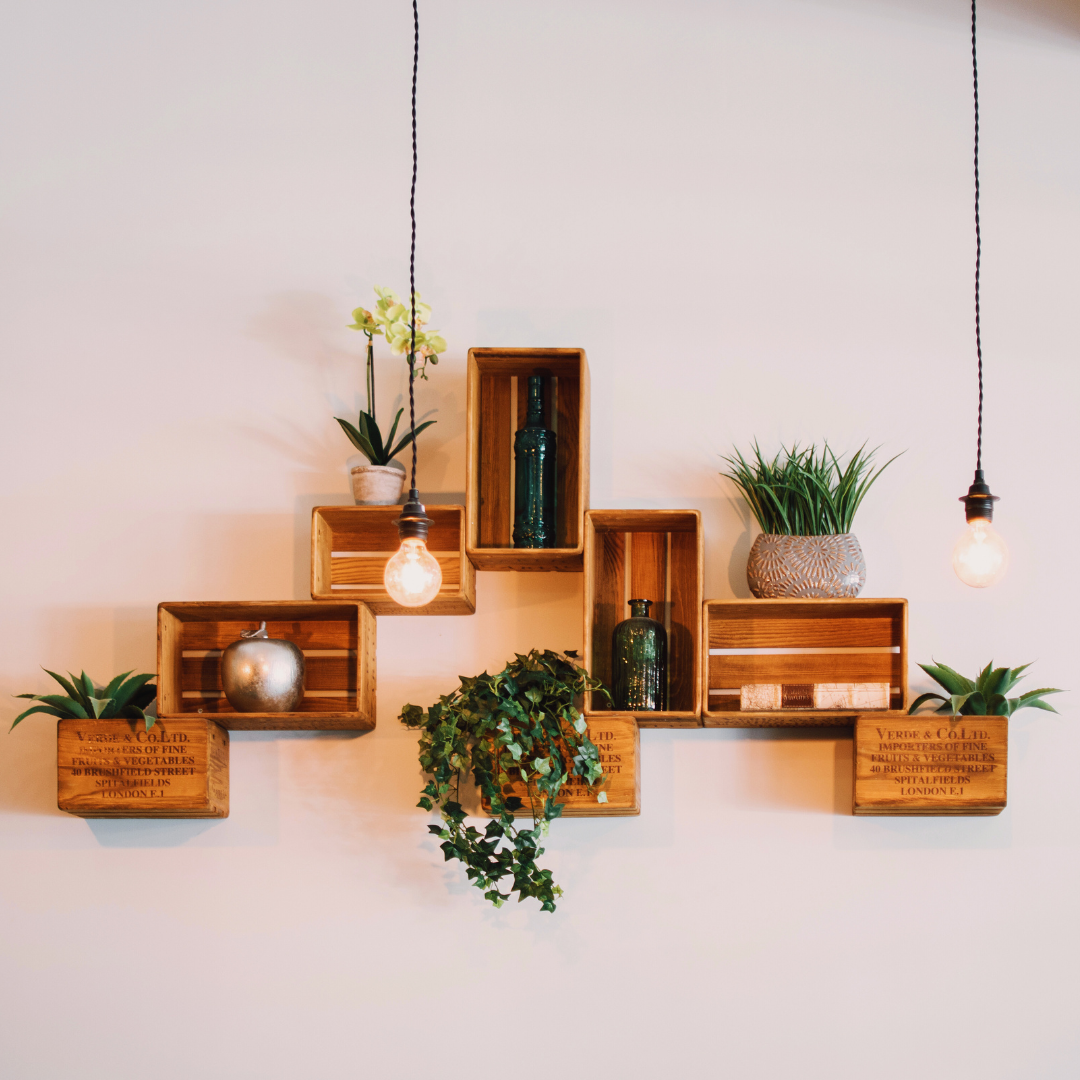
Styling a space on a tight budget is entirely possible without sacrificing style or comfort. The key is to prioritise affordable, versatile items and use existing pieces creatively to transform the room. Small changes can have a significant impact when done thoughtfully.
They can focus on multipurpose furniture, budget-friendly décor, and clever organisation to make the most of limited resources. Understanding how to combine these elements helps achieve a cohesive look without overspending.
This approach not only saves money but also encourages more intentional and personalised styling choices. Readers will discover practical tips that deliver real results without requiring a big budget.
Maximising Style and Function on a Tight Budget
Creating a practical and stylish space requires smart choices that combine aesthetics with utility. Prioritising pieces that serve multiple purposes and enhancing light flow can open up small spaces effectively.
Choosing Multi-Functional and Space-Saving Furniture
Selecting multifunctional furniture is essential for tight budgets and small spaces. Items like sofa beds provide seating by day and a bed by night, reducing the need for separate pieces. Storage ottomans offer hidden compartments for clutter while doubling as footrests or extra seating.
Console tables with built-in shelves or drawers add surface area and storage without consuming much floor space. Choosing pieces made from lightweight materials enables easy reconfiguration of the room to suit different needs. Focus on quality over quantity to ensure longevity and ongoing functionality.
Creative Storage Solutions for Small Spaces
Maximising storage in small spaces demands creativity. Vertical storage, such as shelves or wall-mounted units, frees up floor space. Using under-bed storage boxes or containers beneath sofas utilises often wasted areas.
Storage ottomans and benches can conceal items like blankets or books. Combining decorative baskets with shelves organises belongings attractively. Labels help maintain order. Compact furniture with built-in storage minimises clutter while keeping essentials accessible.
Utilising Mirrors and Natural Light Effectively
Mirrors amplify natural light and visually expand small rooms. Positioning large mirrors opposite windows reflects daylight deeper into the space. Mirrored furniture combines function with light enhancement, doubling as decoration.
Using light, sheer curtains maximises sunlight entry without sacrificing privacy. Avoid heavy drapes that block light. Clean windows regularly to ensure clarity and brightness. Strategic placement of mirrors and openness to natural light instil a sense of spaciousness economically.
Affordable Decorating Techniques for Small Spaces
Compact rooms benefit from well-planned additions that maximise vertical space, draw attention, and improve lighting without strain on the budget. Smart use of shelves, artwork, paint, and lighting can transform a small area into a functional and inviting environment.
Incorporating Floating Shelves and Wall-Mounted Lighting
Floating shelves create storage and display areas without occupying floor space, essential in tight rooms. They support books, plants, and decorative items while keeping surfaces uncluttered. Installing shelves at varied heights adds visual interest and textural contrast.
Wall-mounted lighting, such as sconces, replaces table lamps and frees up surfaces. These fixtures offer direct or ambient light while enhancing the room’s style. Selecting energy-efficient, compact models keeps both installation and running costs low.
Creating Focal Points with Gallery Walls and Artwork
A gallery wall arranges multiple frames or artworks into a cohesive display, focusing attention on a single wall. This technique personalises the space and creates dimension. Using varied frame sizes but consistent colours maintains order without overcrowding.
Artwork should reflect personal taste with bold or minimal pieces, depending on the room’s function. Prints and photos can be affordable alternatives to original art, making frequent updates possible without significant expense.
Refreshing Walls with Paint and Peel-and-Stick Wallpaper
Fresh paint in light or neutral hues opens up a small space, reflecting natural light and making the room feel larger. Accent walls painted in darker or vibrant colours add depth and interest without overwhelming.
Peel-and-stick wallpaper offers easy application and removal, perfect for temporary or rental spaces. It comes in many affordable designs, enabling quick wall updates without professional help or damage.
Enhancing Ambience with LED Strip Lights and Candles
LED strip lights can be installed under shelves, cabinets, or along coving to provide subtle, energy-efficient lighting. They add warmth and highlight architectural details with minimal expense and effort.
Candles, real or LED, introduce soft light and atmosphere. Grouping candles on trays or shelves creates eye-catching displays. Opting for unscented candles avoids overpowering a small area.
Textiles, Colour, and Texture for a Cohesive Look
Balancing colour, texture, and textiles creates harmony in a room without overspending. Careful choices in fabric and material draw the eye and add warmth, defining the space while maintaining a unified appearance.
Layering Textures with Rugs, Throws, and Pillows
Layering is a cost-effective way to enrich a room’s texture. Combining a neutral jute rug with soft woollen throw pillows and blankets adds tactile contrast without clashing. Using natural fibres keeps the space grounded and inviting.
Throws offer subtle colour pops and can be swapped seasonally. Cushion covers in varied fabrics like linen and velvet create depth without excess cost. Arranging these elements consistently across seating areas ties diverse parts of a room together.
Selecting Area Rugs and Runners Strategically
Choosing the right size and shape of rugs improves flow and defines zones, especially in small living rooms. A well-placed runner rug in narrow hallways or entryways helps elongate visual space.
Opt for neutral tones in area rugs to blend with walls and furniture, which prevents visual clutter. Durable materials like sisal or jute offer texture and longevity on a budget, balancing softness and practicality.
Using Neutral Tones and Minimalist Style to Expand Space
Neutral tones such as beige, cream, or soft grey act as a foundation that brightens and visually expands a room. Minimalist style focuses on clean lines and limited colour palettes, reducing distraction and creating a sense of order.
Combining neutral textiles with restrained décor avoids overcrowding in small spaces. This technique encourages layering different textures rather than multiple colours, which strengthens cohesion and elevates the overall design.
Adding Personality Without Overspending
Adding personality to a space can be achieved through affordable, creative choices. Using natural elements and repurposed items creates character without a big spend.
Integrating Indoor Plants for Life and Colour
Indoor plants enhance any room with natural colour and texture. Snake plants are ideal for budget-conscious styling because they require minimal care and thrive in low light.
Placing a few snake plants in decorative pots can add structure and vertical interest. Smaller plants like succulents or herbs can be grouped on shelves or windowsills for variety.
Plants improve air quality and create a calming atmosphere. Choosing low-maintenance options reduces costs in the long term by lowering the risk of plant loss.
Upcycling, DIY, and Second-Hand Finds for Unique Style
Upcycling old furniture or décor items offers personality without expense. For example, sanding and repainting a second-hand table can completely transform its look.
DIY projects like making cushion covers or wall art customised with fabrics and colours bring individuality. These can be created with affordable materials from craft shops.
Exploring charity shops and markets often uncovers unique pieces at low prices. It’s wise to inspect the condition and prioritise items with good bones for easy restoration.