

How to Add Value to Your Home with Clever Design Strategies for Lasting Impact

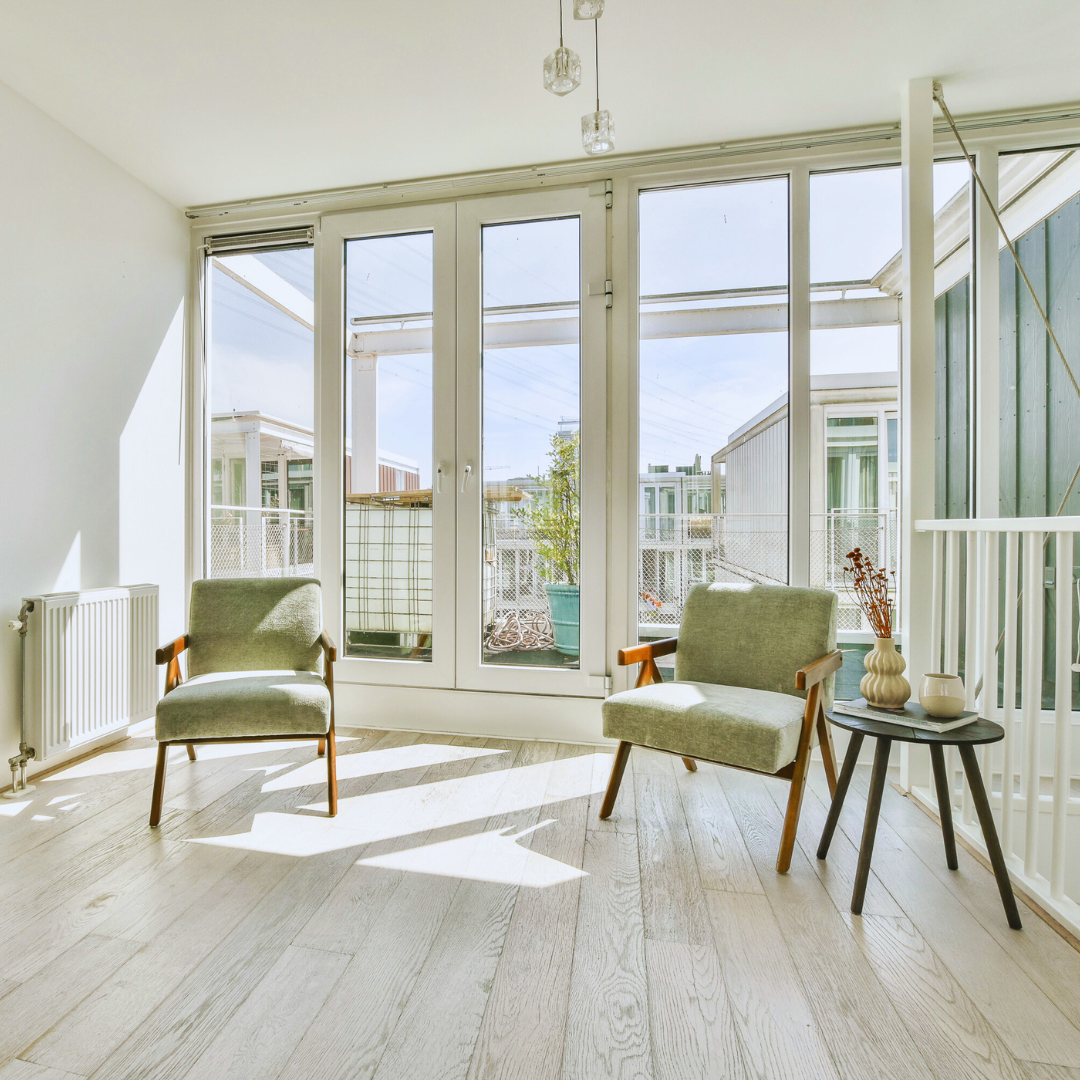
Adding value to a home doesn’t always require major renovations or expensive upgrades. Simple, clever design choices can significantly enhance both the functionality and appeal of a property.
Maximising space, improving lighting, and choosing timeless materials are key strategies to increase a home’s worth effectively. These practical improvements not only attract buyers but also improve everyday living.
Understanding which design changes provide the best return on investment helps homeowners make informed decisions. This approach ensures any effort contributes positively to the overall value of the property.
Essential Upgrades to Boost Home Value
Focusing on critical improvements ensures a property remains safe, efficient, and appealing. Structural soundness, energy-saving features, and reliable heating systems are key areas where investment offers measurable returns.
Addressing Structural Issues
Subsidence and foundation problems significantly lower home value and deter buyers. It is essential to engage a structural engineer for a thorough survey if cracks or uneven flooring appear.
Repair work might involve underpinning foundations or resolving drainage issues to prevent water damage. Proper structural repairs should be documented, as evidence of rectified problems reassures potential buyers and supports the asking price.
Other critical points include inspecting the roof and external walls for damage. Timely maintenance of these elements prevents worsening defects and maintains the building’s integrity.
Improving Energy Efficiency
Installing double glazing reduces heat loss and external noise, directly lowering energy bills. Solar panels provide renewable energy, cutting annual electricity costs and appealing to environmentally conscious buyers.
Upgrading insulation in walls and loft spaces further enhances thermal performance. Energy-efficient homes often qualify for better energy ratings, which is a valuable selling point.
When considering energy efficiency improvements, homeowners should compare costs against potential savings and local incentives such as government grants to maximise return on investment.
Upgrading Central Heating Systems
Replacing an old boiler with a modern, energy-efficient model reduces fuel consumption while improving heating performance. Condensing boilers are generally the recommended choice due to higher efficiency.
Upgrading radiators or installing underfloor heating provides better heat distribution and enhances comfort. Underfloor heating is particularly attractive in kitchens and bathrooms.
Regular servicing of the central heating system maintains safety and functionality, which buyers expect. A well-documented maintenance history adds further value to the property.
Clever Interior Design Strategies
Smart design choices can significantly enhance a home’s appeal and functionality. Focusing on practical improvements like lighting, kitchen upgrades, and storage solutions can create a more inviting and efficient space.
Maximising Natural Light
Maximising natural light helps brighten rooms and reduces reliance on artificial lighting. Homeowners should consider removing heavy curtains and replacing them with sheer blinds or light-coloured window dressings.
Positioning mirrors strategically can reflect sunlight deeper into rooms. Light wall colours, such as pale greys or creams, amplify natural light by reflecting it around the space.
Skylights or larger windows, where possible, add more direct daylight. Using glass internal doors or open-plan layouts also prevents light from becoming trapped, improving flow and atmosphere without structural changes.
Modernising Kitchen and Bathrooms
Updating kitchens and bathrooms adds substantial value and comfort. Installing a power shower or replacing dated taps and fittings improves both function and appearance.
In the kitchen, fresh cabinets with a fresh coat of paint or new handles can modernise without a full refit. Sleek, easy-to-clean worktops in quartz or laminate add durability and style.
Bathrooms benefit from neutral tiles paired with minimalist fixtures. Incorporating energy-efficient lighting and practical features, such as storage under the sink, enhances usability and appeal.
Enhancing Built-In Storage
Built-in storage maximises space and reduces clutter, a key factor in appealing interiors. Custom cupboards or shelving units fit existing wall recesses without encroaching on floor area.
Maximising vertical space with tall storage units utilises walls effectively. Bedrooms, living rooms, and kitchens all benefit from concealed storage that keeps essentials accessible but out of sight.
Using wallpaper or fresh paint inside built-in units adds a subtle decorative touch. This creates contrast and interest while maintaining a tidy appearance throughout the home.
Expanding Liveable Space for Added Value
Increasing liveable space directly enhances a home’s functionality and appeal. Thoughtful design choices can transform underused areas into practical rooms that serve specific family needs while increasing property worth.
Loft Conversions and Extensions
Loft conversions are a popular way to utilise unused loft space. They often provide an additional room without extending the home’s footprint, which may simplify planning permission requirements. Common uses include bedrooms, offices, or playrooms.
Key considerations include head height, access via stairs, and insulation to meet building regulations. Structural assessments must confirm the loft can support the conversion. Choosing a design that complements the existing roofline preserves the home’s external character.
Extensions widen living areas or add rooms on the ground or upper floors. Planning permission is typically required for large extensions. They offer flexibility to create spacious kitchens, lounges, or utility rooms that increase property value.
Creating Extra Bedrooms
Adding extra bedrooms addresses growing family needs and enhances resale appeal. This can be achieved through loft conversions or by subdividing large existing rooms. Each bedroom should meet minimum size standards to count officially in the valuation.
Fitting built-in storage maximises room usability without wasting space. Proper ventilation, natural light, and soundproofing improve room comfort. Extra bedrooms also cater to buyers seeking family-friendly homes, thus widening market interest.
Multi-Functional Outdoor Rooms
Garden rooms can add valuable living space without internal disruption. These structures serve as offices, gyms, or relaxation areas, ideal when indoor space is limited.
They often bypass planning permission if they meet size and location criteria. Insulation and heating ensure year-round usability. Using quality materials and integrating design with the home and garden enhances overall property appeal.
Finishing Touches and Kerb Appeal
Small details and the condition of a home’s exterior significantly influence its perceived value. Attention to maintenance, visual enhancements, and landscaping can all contribute to a stronger first impression, encouraging potential buyers and adding measurable value.
Quick Fixes and Maintenance
Dripping taps and loose tiles may seem minor, but they can suggest negligence to buyers. Repairing leaks stops further damage and shows the home is well cared for.
Checking and replacing cracked roof tiles prevents water ingress and maintains structural integrity. Repainting faded window frames and doors instantly freshens the look without a large investment.
Ensuring gutters and drains are clear prevents water damage and foundation issues. These quick fixes improve functionality and reassure buyers about the home’s upkeep.
Enhancing Exterior Appeal
Painting the front door in a bold but tasteful colour creates an inviting focal point. Adding new, modern house numbers and a stylish mailbox can modernise the façade subtly.
A clean driveway and pathways free of stains or weeds improve overall kerb appeal. Installing energy-efficient exterior lighting highlights features and adds security.
Replacing old or broken fencing with neat, consistent styles maintains privacy and a polished look. Small upgrades on external fixtures boost perceived value without major renovations.
Landscaping with Mature Trees
Mature trees add instant character and shade, which many buyers value highly when selling a home. Their presence can increase property worth by defining outdoor space and offering privacy.
Maintaining healthy trees with trimmed branches avoids damage risks. Adding mulch and planting low-maintenance shrubs around trees enhances visual appeal.
A tidy, well-planned garden with mature greenery signals that the home has been cared for over time—an important factor in buyer decision-making.